Uncovering the Power of Mindfulness: Effective Techniques for Holistic Stress Relief
- Jylla Artis
- Mar 29, 2025
- 4 min read

In our busy lives, stress can feel like an unavoidable reality. Juggling work, family, and personal responsibilities often leads to overwhelming feelings. However, mindfulness practices offer a highly effective means of combating this stress. Through simple techniques, individuals can find a greater sense of calm and balance. In this post, we will explore various mindfulness methods that promote holistic stress relief and improve overall well-being.
Understanding Mindfulness
Mindfulness is about being fully present in the moment. It involves noticing your thoughts, feelings, and surroundings without judgment. By concentrating on the here and now, you can cultivate peace and clarity. Mindfulness has its origins in ancient meditation traditions, but research has shown its powerful effects on stress management in modern life.
For example, studies reveal that regular mindfulness practice can lead to a 30% reduction in anxiety and depression symptoms. Over time, individuals practicing mindfulness often report feeling more emotionally resilient and having clearer thoughts, essential components of holistic stress relief.
Breathing Techniques
Deep Breathing
Deep breathing is one of the most straightforward mindfulness techniques. It involves inhaling deeply through the nose, letting your chest and abdomen rise, and then exhaling slowly through the mouth. Just a few minutes of deep breathing each day can significantly reduce stress levels. Research shows that practicing deep breathing can lower cortisol levels, the body’s primary stress hormone, by 20%.
Box Breathing
Box breathing offers another effective method. This technique consists of inhaling for four counts, holding the breath for four counts, exhaling for four counts, and pausing for four counts. This structured pattern not only regulates the breath but also fosters mental clarity. Many athletes and military personnel use box breathing to maintain focus under pressure.

Body Scan Meditation
Body scan meditation helps bring attention to various parts of your body one at a time. This technique promotes awareness of physical sensations and reveals areas of tension. To practice, find a comfortable spot, close your eyes, and focus on your toes, gradually moving your attention to your head. Studies have shown that regular body scan meditation can improve sleep quality by 25% and enhance relaxation.
This process encourages people to recognize where stress is stored in their bodies. Over time, it fosters a stronger connection between the mind and body, leading to improved stress management.
Mindful Movement
Yoga
Yoga combines mindfulness with physical movement. By focusing on breath control and intentional movements, practitioners can create a mindful experience. Regular participation in yoga can increase flexibility, strength, and calmness. A study found that individuals engaging in yoga at least once a week experienced a 40% reduction in stress-related symptoms.
Walking Meditations
Walking meditation is another approach to incorporate mindfulness into movement. This practice involves slow, deliberate walking while paying attention to each step and your surroundings. By focusing on your breath and body movements, you can transform a simple walk into a meditative experience. It's especially beneficial for those who find it challenging to sit still during traditional meditation.
Gratitude Journaling
Gratitude journaling encourages reflecting on positive experiences and what you appreciate in life. Taking just a few moments daily to write down three things you are grateful for can foster a positive mindset. Research indicates that people who practice gratitude journaling regularly report a 25% increase in overall happiness and life satisfaction.
This simple practice shifts focus away from stressors and helps integrate mindfulness into daily life, making it a valuable tool for holistic stress relief.
Mindful Eating
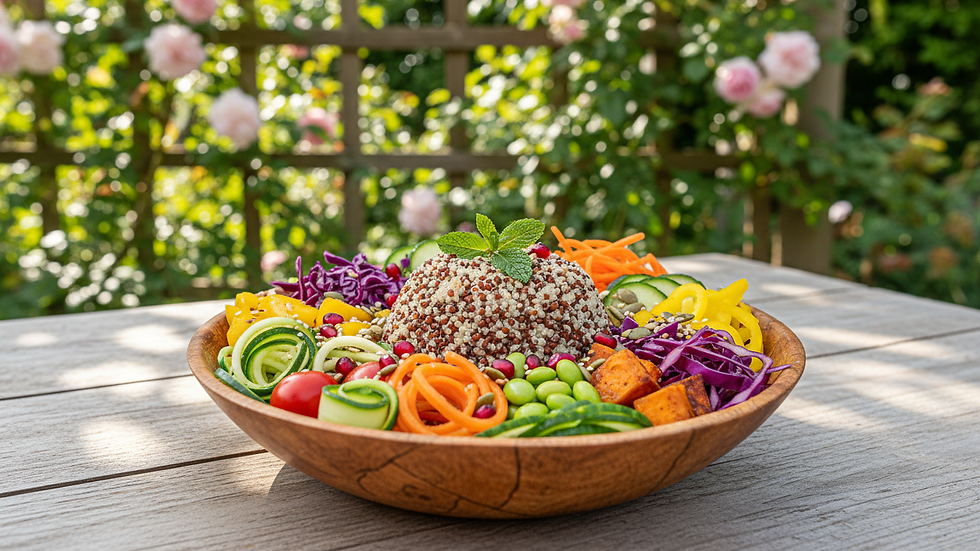
Mindful eating involves paying full attention to the act of eating—focusing on the taste, texture, and sensations of food. By avoiding distractions like screens and multitasking during meals, you can develop a deeper appreciation for what you eat. This practice has been shown to decrease emotional eating by as much as 30%, leading to improved relationships with food and a reduction in related stress.
When you fully engage in eating, you may find yourself enjoying meals more and feeling satisfied, alleviating the stress around food choices.
Guided Visualization
Guided visualization is a technique where you are led through a calming mental image, such as a beach or serene forest. Engaging as many senses as possible can deepen the relaxation experience. This method has been found to reduce muscle tension and emotional distress significantly. In fact, guided visualization has helped many individuals lower anxiety levels by up to 50%.
The Path to Inner Calm
Mindfulness is a transformative practice with the potential to alleviate stress and enhance overall well-being. By incorporating techniques like deep breathing, body scan meditation, and mindful eating into your routine, you can experience profound benefits.
Exploring different mindfulness methods opens the door to self-awareness and emotional resilience. Amid the constant hustle of modern life, embracing mindfulness could be the solution we all need.
No matter how you choose to integrate mindfulness into your day—whether through short practices or more extended sessions—the cumulative benefits can lead to a more peaceful, fulfilled life. As you embark on this journey, you will uncover the true power of mindfulness for stress relief and well-being.


Comments